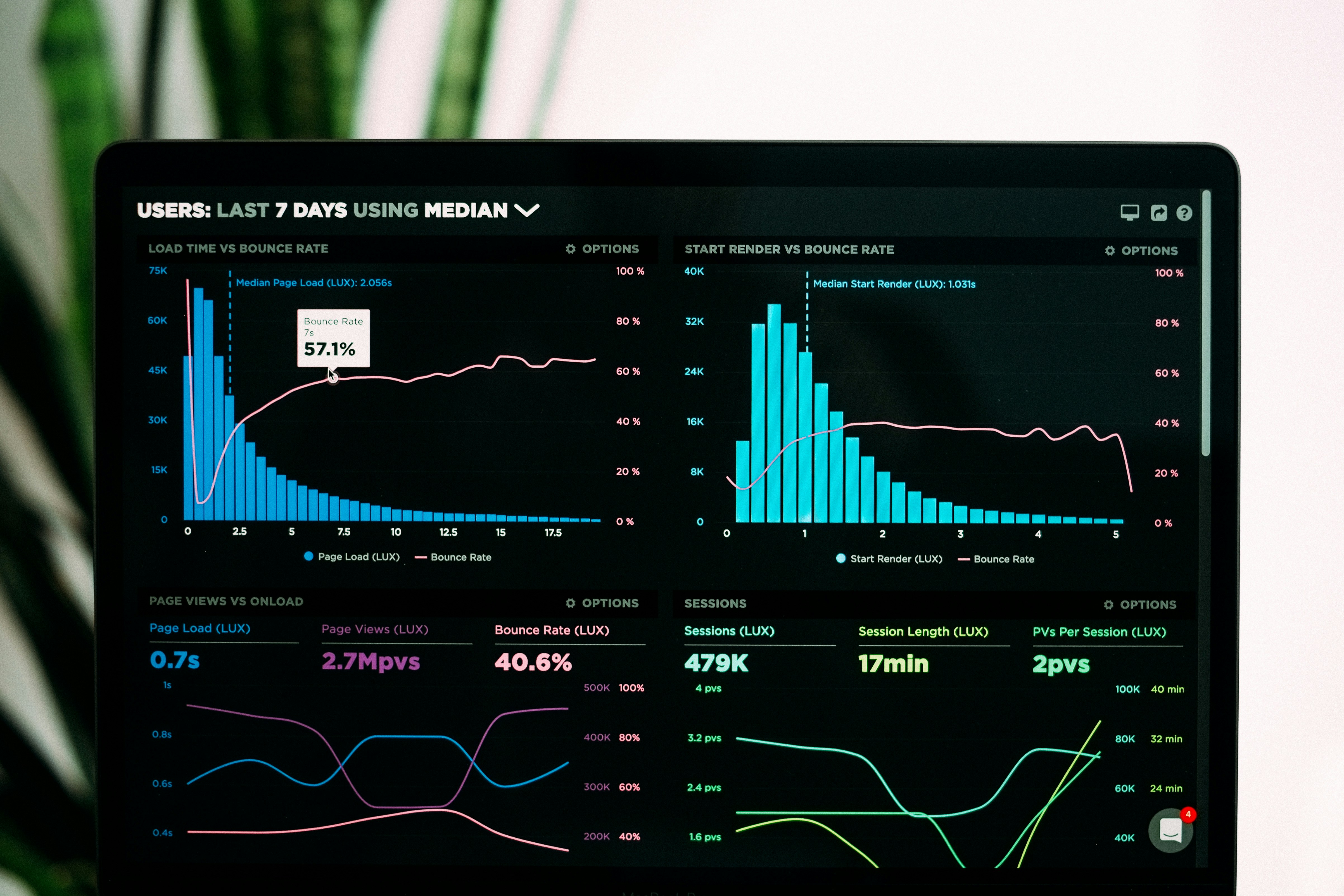
A new wave of Supply Chain AI experimentation is emerging across the planning community. Inspired by initiatives such as Knut Alicke’s AI-assisted S&OP application, supply chain professionals are increasingly using vibe coding tools to build operational applications without traditional software development teams.
What started as isolated experiments is becoming a broader movement. Examples now span S&OP, demand planning, inventory management, scenario modeling, supplier risk monitoring and planner copilots. Recent community examples include AI-generated planning applications shared by practitioners such as Mahmoud Moursy, alongside other public discussions around IBP engines, manufacturing dashboards and supply-chain planning automation.
The emergence of these tools creates a new layer between Excel and enterprise APS platforms. Rather than replacing established planning solutions, these lightweight applications allow domain experts to rapidly test ideas, automate workflows and address local planning challenges that may never justify a large transformation project.
However, the opportunity comes with significant risks. As more planners become application builders, organizations must address AI governance, data quality, model transparency, business ownership, security, auditability and integration with enterprise systems. Without controls, companies risk creating a new generation of planning silos and shadow applications powered by AI rather than spreadsheets.
The Dataleo angle
The most important signal is not that planners can now build software. It is that the economics of solution creation have changed. A planner with deep business expertise and access to modern AI tools can now prototype a functional Supply Chain Planning solution faster than many traditional software projects can complete requirements gathering.
For leaders, the question is no longer whether employees will build AI-powered planning applications. They already are. The strategic question becomes how to govern them through version control, testing standards, approval workflows, data lineage, user permissions, documentation and lifecycle management.
This points to the emergence of a middle layer between Excel and enterprise ERP or APS environments. It can accelerate controlled prototyping, but it also creates operational risk when business logic, data flows and decision ownership are not explicit.
The Dataleo team is currently working on a practical framework to help companies evaluate, govern, industrialize and scale vibe-coded Supply Chain AI applications. More details will be shared soon.